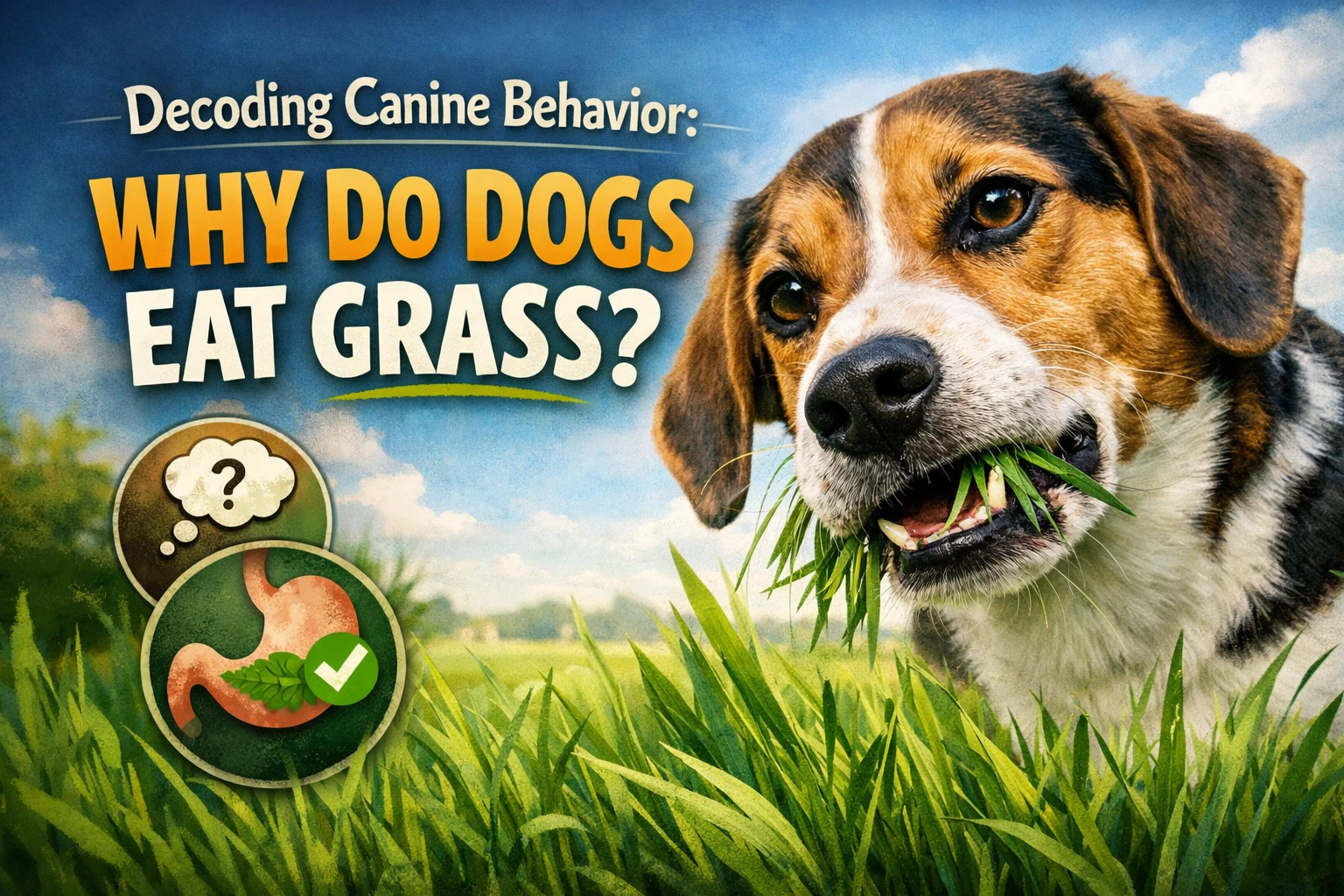
Decoding Canine Behavior: Why Do Dogs Eat Grass?
As a pet owner, few things are as perplexing or as common as watching your furry companion transition from a game of fetch to grazing like a miniature cow. It is a behavior that transcends breeds, from the energetic Labradors of suburban parks to the resilient working dogs in rural landscapes. If you have ever stood in your backyard wondering why do dogs eat grass, you are certainly not alone.
Understanding the motivation behind this behavior requires a blend of veterinary science, evolutionary biology, and practical observation. This guide explores the multifaceted reasons behind grass-eating, addressing concerns about health, digestion, and instinctual habits.
Understanding the “Why” Behind the Graze
While it might seem strange to us, grass consumption is one of the most frequently reported behaviors by dog owners globally. Many assume it is a sign of illness, but the reality is often more nuanced.
Is it Instinctual?
Modern dogs are descendants of wild canids that consumed every part of their prey, including the stomach contents of herbivores which often contained plant matter. Furthermore, wild wolves are known to supplement their diet with berries and vegetation. When we ask why do dogs eat grass, we must consider that their ancestors likely did the same to balance their intake or clear their digestive tracts of parasites.
The Role of Fiber
Sometimes, the simplest explanation is the most likely. Dogs are omnivores, and grass is a readily available source of roughage. If a dog’s commercial diet is slightly low in fiber, they may seek out greens to help move things along their digestive system. In these cases, you might notice why do dogs like to eat grass often comes down to a physical craving for better digestion.
Digesting the Discomfort: Grass and Vomiting
A primary concern for many owners is the relationship between greens and gastric upset. You might have observed your pet frantically swallowing blades of grass only to see them reappear on your rug minutes later.
Why do dogs eat grass and vomit?
Many experts believe that dogs use long, coarse strands of grass to tickle their throat and stomach lining. This sensation triggers a gag reflex. When pet owners ask why do dogs eat grass to throw up, they are usually observing a dog that is already feeling nauseous and is looking for a way to purge whatever is causing the irritation.
Why do dogs eat grass and throw up?
It is a “chicken or the egg” scenario. Does the grass cause the vomiting, or does the dog eat the grass because they need to vomit? Research suggests that fewer than 25% of dogs actually vomit after eating grass, and only about 10% show signs of illness beforehand. Therefore, while why do dogs eat grass to vomit is a valid question for some, for others, the vomiting is merely an incidental byproduct of eating too much fiber too quickly.
Dogs eat grass for several reasons, including instinctive scavenging, a need for dietary fiber, or as a method to induce vomiting when feeling nauseous. While many dogs graze without ill effects, some swallow large amounts of grass to trigger a gag reflex and clear their stomachs of irritants.
Specific Patterns: Dirt, Soil, and Post-Vomit Habits
Canine cravings aren’t always limited to the green stuff. Occasionally, you might notice your pet digging a bit deeper, leading to the question: why do dogs eat dirt and grass?
The Pica Connection
The consumption of non-food items is known as pica. If you notice why do dogs eat soil and grass, it could point toward a mineral deficiency or simply boredom. In many cases, why do dogs eat grass and dirt is linked to the interesting smells or organisms living within the earth that a dog finds rewarding to investigate with their mouth.
Post-Vomiting Behavior
A particularly confusing habit is why do dogs eat grass after vomiting. If a dog has just cleared their stomach, they may feel an acidic “burn” or continued nausea. They might continue to graze to settle their stomach or, conversely, why do dogs eat grass after throwing up might be an attempt to restart the process if they feel the initial irritant hasn’t been fully removed.
It is also important to note that this isn’t strictly a canine trait; owners of multi-pet households often ask why do dogs and cats eat grass. Both species seem to use vegetation as a natural digestive aid or a way to expel hairballs and other indigestible materials.
When to Worry: Signs of Distress
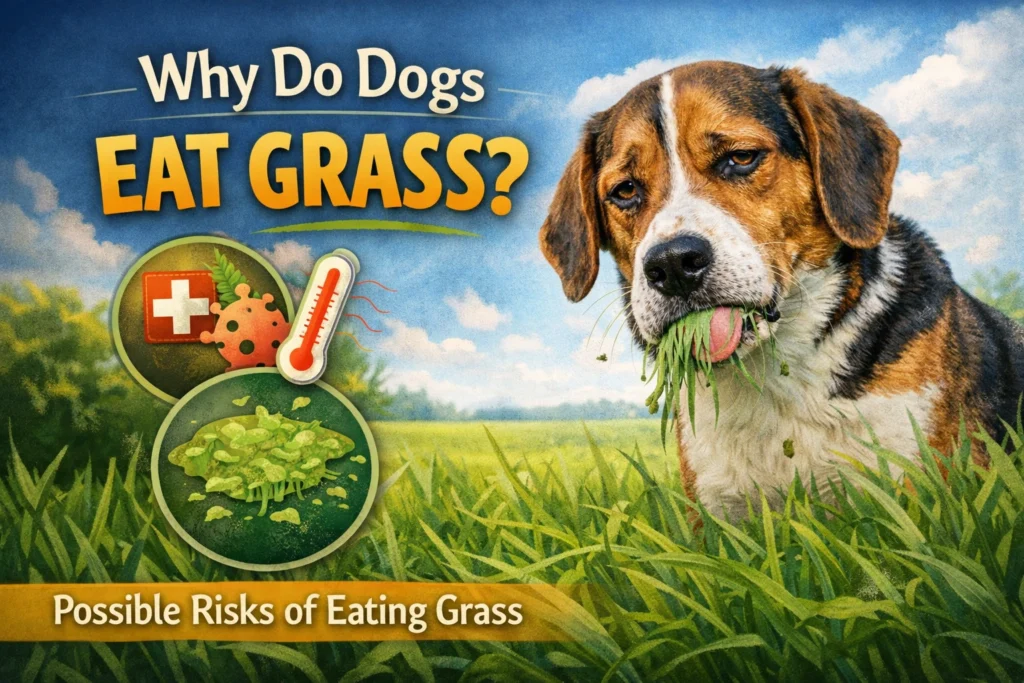
While occasional grazing is normal, certain patterns should trigger a visit to the veterinarian. If you find yourself constantly searching why do dogs throw up after eating grass because it happens daily, there may be an underlying gastrointestinal issue like inflammatory bowel disease or acid reflux.
Indicators of a Problem:
- Obsessive Grazing: If your dog ignores everything else just to eat grass.
- Lethargy: If the grazing is accompanied by a lack of energy.
- Frequent “Purging”: If you are consistently asking why do dogs eat grass then throw up and noticing weight loss.
- Bloody Stool: Always a sign for an immediate vet visit.
Why do dog eat grass in excessive amounts?
If your pet is suddenly obsessed with the lawn, they may be suffering from a nutritional void. Ensure your dog is on a high-quality, balanced diet. Sometimes, adding steamed broccoli or green beans to their bowl can satisfy the urge and stop you from wondering why do dogs eat grass and vomit every time you go for a walk.
Real-World Use Case: The “Spring Green” Phenomenon
In many regions, particularly as the seasons shift, owners notice an uptick in grazing. In the spring, when new shoots are tender and sweet, why do dogs like to eat grass becomes a matter of taste. The new growth is often more palatable than the dry, yellowed grass of winter.
For example, a Golden Retriever in a lush backyard might graze simply because the “micro-greens” of the lawn taste good. In this context, why do dogs eat grass isn’t about sickness at all it’s about flavor. However, if that same dog is frantic and ignores their favorite ball, the owner should consider if the dog is trying to self-medicate a stomach ache.
Comparison: Boredom vs. Biology
| Motivation | Description | Typical Behavior |
| Nutritional | Seeking fiber or phytonutrients. | Slow, methodical nibbling. |
| Instinctual | Ancient scavenging behavior. | Occasional grazing during walks. |
| Physical | Attempting to settle the stomach. | Rapid swallowing, often followed by why do dogs eat grass and throw up. |
| Psychological | Boredom or anxiety (Pica). | Eating grass and dirt or soil and grass repeatedly. |
How to Manage Grass Eating
- Check the Chemicals: Ensure your lawn is free of pesticides and herbicides. The grass itself usually isn’t the danger; the chemicals on it are.
- Increase Fiber: Switch to a high-fiber kibble or add dog-safe vegetables to their meals.
- Mental Stimulation: If the behavior stems from boredom, increase play sessions and provide chew toys.
- Monitor the “Why”: Keep a log of when they graze. Are they doing it after a meal? On an empty stomach? This helps your vet determine why do dogs eat grass in your specific case.
Conclusion
The question of why do dogs eat grass doesn’t have a single answer, but rather a collection of biological and behavioral reasons. Whether they are seeking a boost in fiber, following an ancestral instinct, or trying to soothe an upset stomach, grazing is a deeply ingrained canine habit. By monitoring their behavior and ensuring their environment is safe, you can allow your pet to follow their instincts without worry.
Would you like me to create a customized high-fiber meal plan or a list of dog-safe vegetables to help satisfy your pet’s cravings?
Schema-Ready FAQs
Is it normal for dogs to eat grass every day?
Yes, for many dogs, occasional grazing is a normal part of their daily routine. However, if it is a new, obsessive behavior or is accompanied by weight loss or lethargy, consult a vet.
Why do dogs eat grass and vomit afterward?
This is often a deliberate action. The coarse texture of the grass irritates the stomach lining or tickles the throat, which helps the dog expel something that is making them feel unwell.
Can grass eating be a sign of a nutritional deficiency?
It can be. If a dog lacks sufficient fiber or specific vitamins in their diet, they may turn to grass as a natural supplement.
Should I stop my dog from eating grass?
If the lawn is untreated and your dog isn’t getting sick, it’s generally harmless. However, you should prevent them from eating grass in public parks where chemicals or parasites may be present.
Why do dogs eat grass and dirt at the same time?
Eating both grass and dirt (pica) often suggests the dog is attracted to a specific scent in the soil or is lacking certain minerals. It can also be a sign of boredom or stress.