
Understanding and Managing a Dog Eye Infection: A Professional Guide to Treatment and Care
As a pet owner, few things are as distressing as seeing your canine companion in discomfort. A dog eye infection is one of the most common reasons for veterinary visits, yet it remains a complex issue that requires a nuanced understanding of symptoms, causes, and appropriate interventions. When a dog’s eyes are red, cloudy, or weeping, it isn’t just a cosmetic issue; it is a signal that their ocular health and potentially their vision is at risk.
In this comprehensive guide, we will explore the nuances of eye infection in dogs, ranging from clinical treatments like antibiotics for dog eye infection to the safety of a dog eye infection home remedy. By prioritizing E-E-A-T (Experience, Expertise, Authoritativeness, and Trustworthiness), this article provides the clarity needed to navigate your pet’s recovery effectively.
What is a Dog Eye Infection?
A dog eye infection occurs when harmful bacteria, viruses, or fungi invade the ocular tissues, leading to inflammation and discomfort. This condition can affect the conjunctiva (the pink lining of the eye), the cornea, or the deeper structures of the eye.
Common Types of Ocular Issues
- Conjunctivitis (Pink Eye): Inflammation of the lining of the eyelids.
- Keratitis: Inflammation of the cornea, often leading to cloudiness.
- Uveitis: Internal inflammation of the eye, which is a serious medical emergency.
- Blepharitis: Inflammation of the eyelids themselves.
Recognizing Symptoms: Signs of Eye Infection in Dogs
Before seeking a dog eye infection remedy, you must be able to identify the clinical signs. Because dogs cannot vocalize their pain, their behavior often tells the story.
Visual and Behavioral Indicators
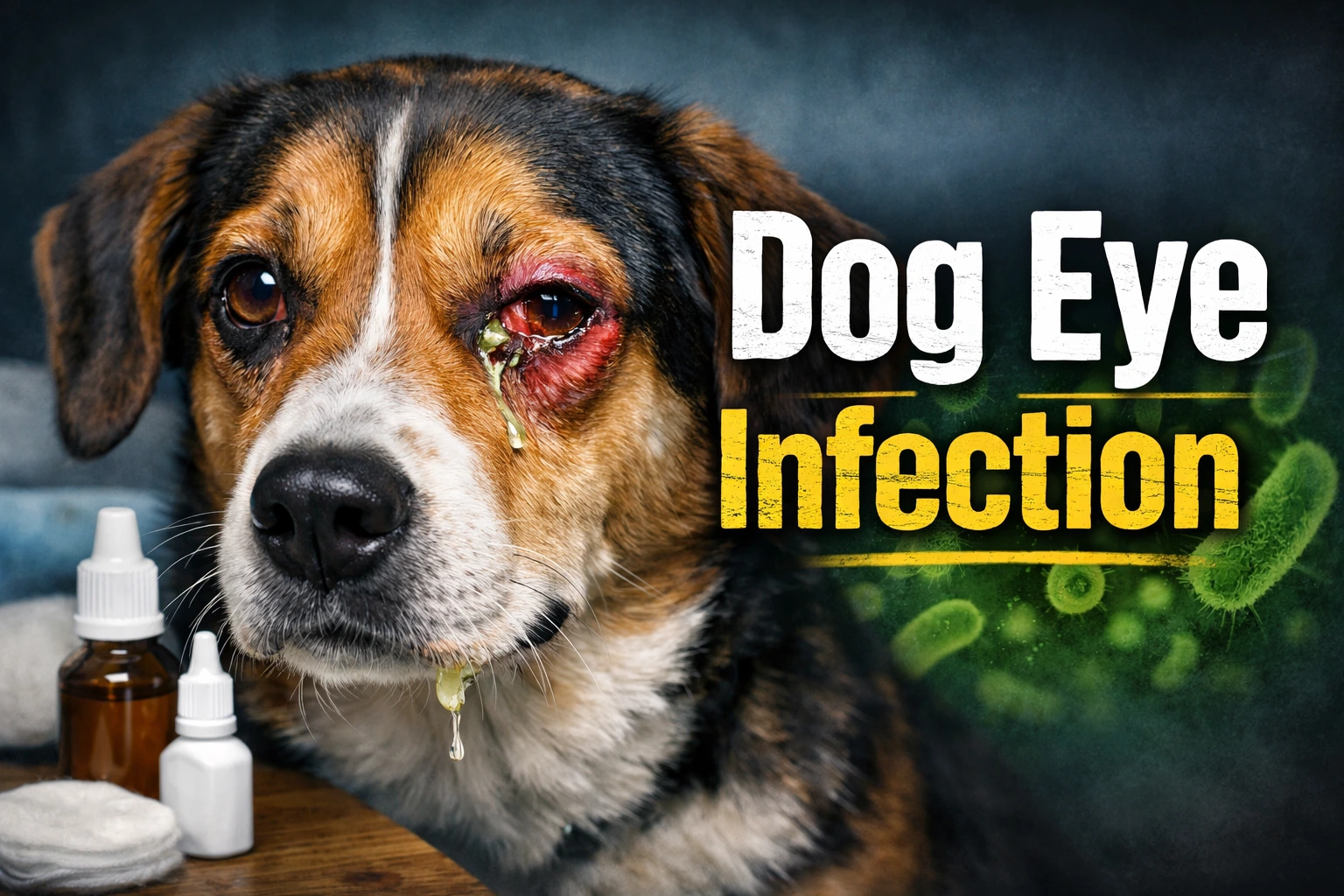
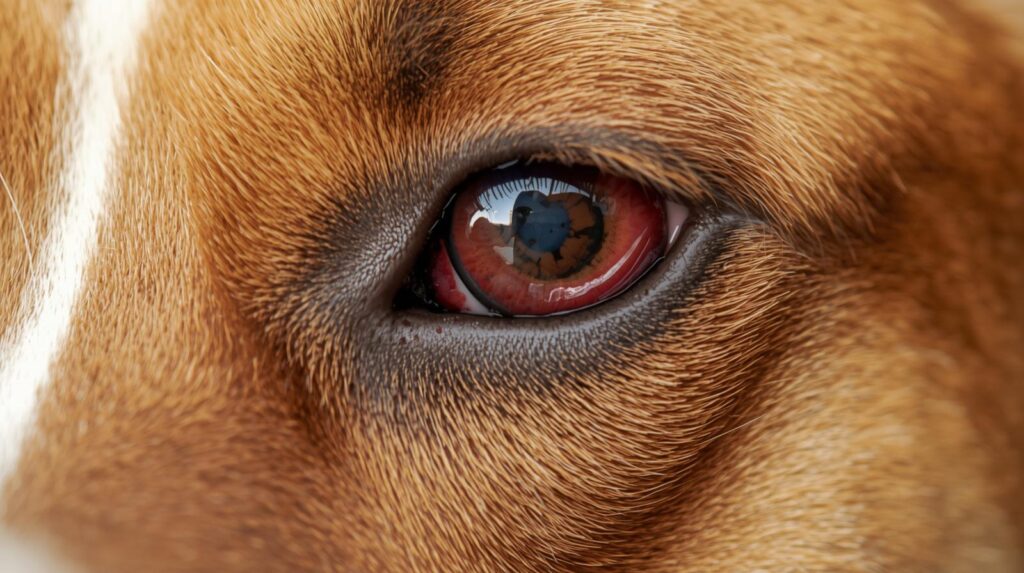
- Redness and Swelling: The white part of the eye (sclera) or the inner lids appear bloodshot.
- Discharge: This can range from clear and watery to thick, yellow, or green mucus.
- Squinting or Pawing: If your dog with eye infection treatment needs are rising, they will likely paw at their face or keep the eye partially closed.
- Cloudiness: A healthy eye is clear; a blue or white haze indicates corneal involvement.
- Light Sensitivity: Avoiding bright areas is a common sign of ocular pain.
For those trying to identify the issue at home, searching for dog eye infections pictures can provide a visual baseline, though a professional diagnosis is always safer.
Dog Eye Infection Treatment: Professional Options
When you visit a veterinarian, the goal is to isolate the cause. Is it bacterial? Viral? Or perhaps an injury? The most common clinical approach involves targeted eye infection dogs treatment protocols.
Antibiotics and Clinical Medications
For bacterial cases, antibiotics for dog eye infection are the gold standard. These are typically administered via dog eye infection drops or ointments.
- Terramycin: A broad-spectrum antibiotic often used for conjunctivitis.
- Gentamicin or Tobramycin: Powerful eye drops for dog eye infection that target specific bacterial strains.
- Ciprofloxacin: Often reserved for deep corneal ulcers or severe infections.
The Role of Specialized Eye Drops
Using the correct dog eye infection treatment is vital. Dog eye infection drops containing steroids may help with inflammation but can be disastrous if the dog has a corneal ulcer, as steroids prevent the cornea from healing. This is why a professional exam is non-negotiable before applying any medicated eye infection dogs antibiotics.
Exploring Dog Eye Infection Home Remedy Options
Many owners wonder how to treat dog eye infection without vet intervention, especially during late hours or for mild cases. While a homemade remedy for dog eye infection can provide temporary relief, it should be used with caution.
Safe At-Home Interventions
- Saline Flush: A simple home remedy for dog eye infection involves using a sterile saline solution (0.9% sodium chloride) to flush out debris or irritants.
- Warm Compresses: Applying a soft, warm cloth to the eye can help loosen crusty discharge and soothe inflammation. This is a foundational dog eye infection home treatment.
- Artificial Tears: Lubricating drops can help if the irritation is caused by dryness rather than a pathogen.
What to Avoid
Do not use human medications, such as Visine, as a dog eye infection treatment home remedy. These products often contain vasoconstrictors that are unsafe for pets.
A safe dog eye infection home remedy includes flushing the eye with sterile saline or applying a warm compress to remove discharge. However, if the eye is cloudy or the dog is in pain, professional eye infection dogs treatment is required.
Dog Eye Allergies vs Infection: How to Tell the Difference
Distinguishing between dog eye allergies vs infection is critical for proper care.
- Allergies: Usually affect both eyes simultaneously, cause clear/watery discharge, and are accompanied by sneezing or itchy skin.
- Infections: Often start in one eye, produce thick or colored discharge (yellow/green), and may cause the eye to appear cloudy or “angry.”
If you notice your dog scratching their ears and their eyes are watery, it is likely allergies. If one eye is swollen shut with green mucus, you are looking at a dog eye infection.
Localized Considerations: Pet Health in Your Area
In many regions, local environmental factors contribute to eye infection in dogs. For instance, in dusty or agricultural areas, wind-borne debris often causes micro-scratches on the cornea. In humid coastal regions, fungal dog eye infections are more prevalent. Understanding your local environment helps in selecting the right dog eye infection remedy.
Real-World Case Study
In a recent clinical observation in a suburban veterinary practice, a Golden Retriever presented with “red eye” after hiking. The owner initially tried a dog eye infection home treatment, but the redness persisted. A vet exam revealed a “foxtail” seed lodged under the eyelid. Had the owner only used dog eye infection drops at home, the seed would have caused permanent blindness. This highlights why professional diagnosis is the ultimate eye infection dogs treatment.
The Risks of Untreated Dog Eye Infections
Ignoring a dog eye infection can lead to catastrophic outcomes.
- Corneal Ulcers: A scratch that becomes infected can “melt” the cornea.
- Glaucoma: Internal pressure can rise due to inflammation.
- Vision Loss: Scars across the eye can permanently block sight.
- Systemic Infection: In rare cases, bacteria can enter the bloodstream.
Effective eye infection dogs antibiotics are a small price to pay to ensure your dog retains their quality of life.
How to Properly Administer Dog Eye Drops for Infection
Applying dog eye infection drops can be a challenge. Follow these steps for a stress-free experience:
- Clean the area: Use a warm cloth (a standard dog eye infection home remedy step) to remove crust.
- Stabilize the head: Gently hold the muzzle.
- The “Approach”: Come from behind or above the head so the dog doesn’t see the dropper coming toward their eye.
- Apply: Drop the liquid onto the white part of the eye.
- Reward: Always give a treat to associate dog eye infection treatment with a positive experience.
Summary of Treatment Strategies
| Treatment Type | Best Used For | Key Components |
| Clinical Treatment | Bacterial/Viral Infections | Antibiotics for dog eye infection, medicated drops |
| Home Remedy | Mild irritation, cleaning | Saline flush, warm compress, dog eye infection home treatment |
| Supportive Care | Allergies, dryness | Artificial tears, E-collars (cones) |
Conclusion
A dog eye infection is more than a minor nuisance; it is a condition that demands your attention and expertise. While a dog eye infection home remedy can offer relief for minor irritants, the complexity of the canine eye means that dog eye infection treatment should ideally be guided by a professional. By recognizing the signs early such as redness, discharge, and squinting and utilizing the correct dog eye infection drops or antibiotics for dog eye infection, you can ensure your dog’s eyes remain bright and healthy for years to come.
Remember, your dog relies on you to be their advocate. If you are unsure whether you are dealing with dog eye allergies vs infection, a quick trip to the vet is the most trustworthy path to recovery.
Learn how to protect your dog from dangerous bloat – read the full guide now ✅
Frequently Asked Questions (FAQ)
How can I tell if my dog’s eye infection is an emergency?
If your dog is pawing aggressively at the eye, if the eye looks cloudy or blue, or if there is a visible scratch on the surface, seek immediate veterinary care. These are signs of a serious dog eye infection that could lead to vision loss.
Can I use human eye drops for my dog?
Generally, no. Most human drops contain ingredients like redness-relievers that can be toxic or irritating to dogs. Only use dog eye infection drops specifically prescribed by a vet or plain, preservative-free saline.
How long does it take for antibiotics for dog eye infection to work?
Most pets show improvement within 48 to 72 hours of starting eye infection dogs treatment. However, you must complete the entire course of medication to ensure the bacteria are fully eradicated.
Is a dog eye infection contagious to other pets?
Yes, certain types of dog eye infections, particularly viral or bacterial conjunctivitis, can be spread between dogs through shared toys, bedding, or direct contact.
What is the best dog eye infection treatment home remedy for discharge?
The best dog eye infection treatment home remedy for mucus is a simple warm water compress. Use a clean, lint-free cloth soaked in warm (not hot) water and hold it against the eye for 5 minutes to soften debris.