Understanding Bloat in Dogs: A Comprehensive Guide to Prevention and Life-Saving Action
For any dog owner, few conditions are as terrifying or as rapid-onset as bloat in dogs. Scientifically known as Gastric Dilatation-Volvulus (GDV), this condition is a critical medical emergency that requires immediate veterinary intervention. Understanding the nuances of this ailment is not just a matter of curiosity; it is a vital part of responsible pet ownership that can mean the difference between life and death.
What is Bloat in Dogs?
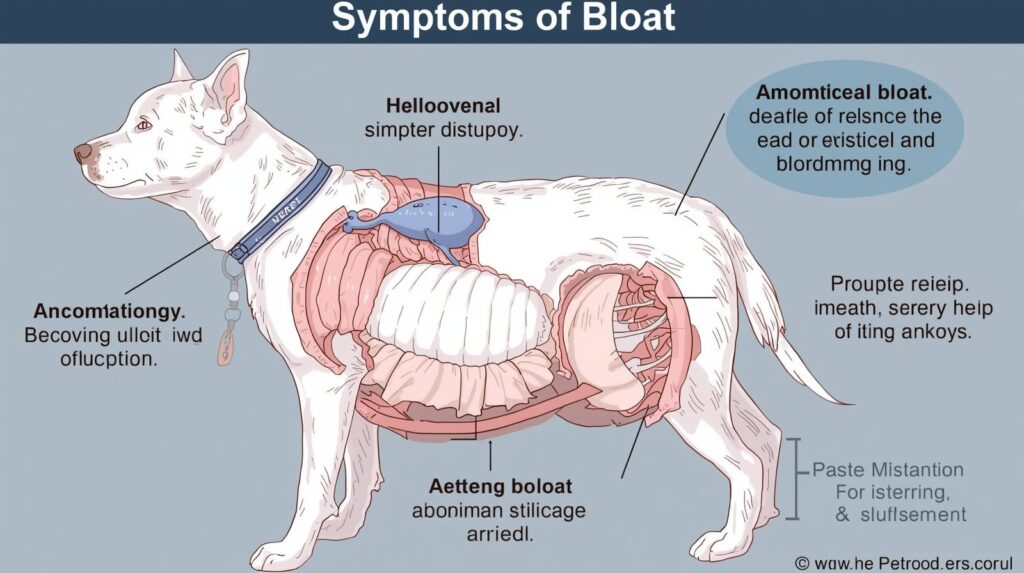
To effectively combat this condition, we must first answer the fundamental question: what is bloat in dogs? In its simplest form, bloat occurs when a dog’s stomach fills with gas, food, or fluid, causing it to expand. However, the more dangerous progression is gastric torsion bloat in dogs, where the distended stomach actually rotates on its axis.
This rotation traps the contents of the stomach and, more critically, cuts off blood supply to the stomach and other vital organs like the spleen. It also puts immense pressure on the diaphragm, making it difficult for the dog to breathe, and can lead to systemic shock within minutes.
What are the First Signs of Bloat in a Dog?
Early detection is the cornerstone of survival. Many owners ask, what are the first signs of bloat in a dog? Recognizing these subtle behavioral shifts before the condition becomes visually obvious is crucial.
The earliest indicators often involve a sudden change in demeanor. A dog experiencing the onset of bloat in dogs will likely appear restless. They may pace, whine, or look at their abdomen frequently. You might notice them trying to find a comfortable position but failing to settle down.
Common Behavioral Symptoms
- Unproductive Retching: This is perhaps the most classic of the signs of bloat in dogs. The dog will appear to be trying to vomit but nothing or only a small amount of foamy salivacomes out.
- Excessive Drooling: Because the dog cannot swallow effectively or clear their stomach, thick, ropey saliva may hang from their mouth.
- Panting and Rapid Breathing: This indicates pain and the physical pressure the stomach is putting on the lungs.
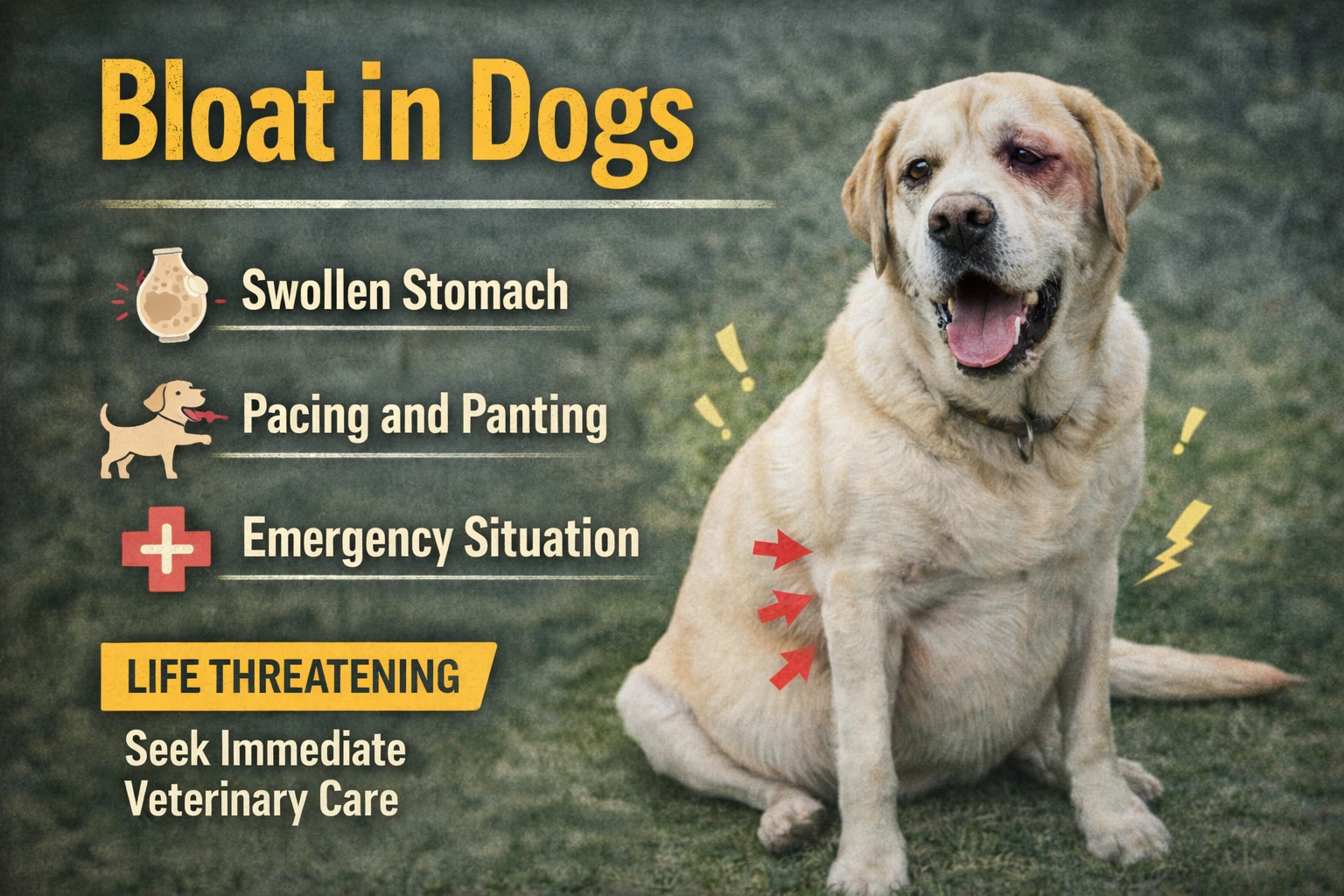
The first signs of bloat in dogs include restlessness, unproductive retching (trying to vomit without success), pacing, and a visibly tight or distended abdomen. If your dog exhibits these behaviors, contact an emergency veterinarian immediately.
Identifying Physical Symptoms of Bloat in Dogs
As the condition progresses, the symptoms of bloat in dogs become more physically apparent. Being able to visualize what does bloat look like in dogs can help you make a split-second decision to seek help.
The Bloated Abdomen
A bloated abdomen in dogs is the most recognizable physical trait. The area just behind the ribcage may appear swollen, feeling hard to the touch almost like a drum. If you gently tap the area, it may produce a hollow sound due to the trapped gas.
Cardiovascular and Systemic Signs
Beyond the stomach itself, bloat symptoms in dogs manifest in the circulatory system. You may notice:
- Pale Gums: Instead of a healthy pink, the gums may turn white or grey, indicating shock.
- Rapid Heart Rate: The body is struggling to pump blood past the twisted stomach.
- Collapse: In late stages, the dog will become too weak to stand.
What Causes Bloat in Dogs?
Understanding what causes bloat in dogs is a complex area of veterinary study, as there is rarely a single “smoking gun.” Instead, it is usually a combination of genetics, anatomy, and lifestyle factors.
Biological Predispositions
Large and giant breeds with deep, narrow chests are at the highest risk. Breeds such as Great Danes, Standard Poodles, German Shepherds, and Weimaraners are statistically more likely to experience bloat in dogs. The deep chest cavity provides more “room” for the stomach to swing and eventually flip.
Dietary and Lifestyle Triggers
Research suggests several factors contribute to the risk:
- Eating Habits: Consuming a large meal very quickly can lead to air swallowing (aerophagia).
- Exercise Timing: Engaging in vigorous physical activity immediately before or after a meal is a frequently cited cause.
- Stress: High-anxiety dogs appear to be more susceptible to bloat in dogs.
- Age: The risk increases as a dog gets older, likely due to the weakening of the ligaments that hold the stomach in place.
How to Prevent Bloat in Dogs
While you cannot change your dog’s genetics, you can implement management strategies. Learning how to prevent bloat in dogs is about reducing the environmental triggers that lead to gas buildup and torsion.
Feeding Strategies
One of the most effective ways to lower the risk of bloat in dogs is to change how they eat. Instead of one large meal, split their daily intake into two or three smaller portions. This prevents the stomach from becoming overly heavy or distended.
Additionally, avoid using elevated dog bowls unless specifically recommended by a vet for other orthopedic reasons. Recent studies have actually suggested that raised feeders might increase the risk of bloat in dogs rather than decrease it.
Slowing Down the Pace
If your dog “inhales” their food, use a slow-feeder bowl or a snuffle mat. These tools force the dog to take smaller bites, significantly reducing the amount of air they swallow.
Rest After Meals
Adhere to a strict “rest period” of at least one hour after eating. During this time, the dog should not be running, jumping, or playing fetch. This allows the food to settle and reduces the physical momentum that could lead to gastric torsion bloat in dogs.
To prevent bloat in dogs, feed multiple small meals a day, use slow-feeder bowls to prevent gulping air, and ensure your dog rests for at least one hour after eating before engaging in any physical exercise.
How to Avoid Bloat in Dogs: Advanced Precautions
For owners of high-risk breeds, knowing how to avoid bloat in dogs might involve more than just feeding schedules. It may involve medical intervention.
Prophylactic Gastropexy
This is a surgical procedure where the stomach is “tacked” or sutured to the abdominal wall. While it doesn’t prevent the stomach from filling with gas (bloating), it effectively prevents the stomach from twisting (torsion). Many owners of Great Danes or Irish Wolfhounds choose to have this done during their dog’s spay or neuter procedure.
Stress Management
Since stress is a factor in bloat in dogs, maintaining a calm environment and using pheromone diffusers or anxiety wraps during high-stress events (like thunderstorms or fireworks) can be a secondary preventive measure.
Is There a Bloat in Dogs Cure?
It is vital to be clear: there is no “at-home” bloat in dogs cure. This is not a condition that can be treated with over-the-counter gas medication or by waiting it out.
Emergency Medical Treatment
The only effective “cure” for bloat in dogs is professional veterinary surgery. The process typically involves:
Decompression
The vet inserts a tube down the throat or a needle through the side of the abdomen to release the trapped gas and reduce pressure in the stomach.
Stabilization
Intravenous fluids are given to treat shock, improve blood circulation, and support the dog’s heart and vital organs.
Surgery
The veterinarian untwists the stomach and checks the tissue for damage. If the tissue is healthy, a gastropexy procedure is performed to attach the stomach to the abdominal wall and prevent future bloat.
If you suspect bloat in dogs, every second counts. The survival rate is significantly higher if the dog is treated within the first hour of showing symptoms.
Real-World Example: A Case of Quick Thinking
Consider the case of “Max,” a five-year-old German Shepherd in Seattle. After his evening meal, Max began pacing and unsuccessfully trying to vomit. His owner, recognizing the signs of bloat in dogs from a breed-specific forum, didn’t wait.
By the time they reached the emergency clinic, Max’s abdomen was starting to show the characteristic bloated abdomen in dogs. Because they arrived so quickly, the vet was able to decompress the stomach before the tissue began to die. Max underwent surgery and was back home within three days. This case highlights why knowing what is bloat in dogs is the most powerful tool an owner has.
Summary of Key Facts
| Feature | Details |
| Common Breeds | Great Danes, Poodles, Shepherds, Dobermans |
| Primary Danger | Stomach torsion (twisting) cutting off blood flow |
| Main Sign | Unproductive retching and hard, swollen belly |
| Action Step | Immediate emergency vet visit; do not wait |
| Prevention | Smaller meals, no exercise after eating, slow feeders |
Conclusion
Bloat in dogs remains one of the most daunting challenges for pet owners, but it is not a battle you have to lose. By staying vigilant for the signs of bloat in dogs, understanding the risks associated with deep-chested breeds, and implementing strict feeding and exercise protocols, you can significantly reduce the danger to your pet.
Remember, you are your dog’s first line of defense. Your ability to recognize a bloated abdomen in dogs and act decisively is their best chance for a long, healthy life.
Would you like me to help you create a localized list of 24-hour emergency veterinary clinics in your area to keep on your refrigerator for quick access?
Take the Next Step in Canine Care
Now that you know how to protect your pet from bloat in dogs, discover another fascinating aspect of their health. Have you ever wondered how your furry friend navigates the house at night?
Learn More: Can Dogs See in the Dark? Exploring Canine Vision
Frequently Asked Questions (FAQs)
What are the first signs of bloat in a dog?
The first signs usually include restlessness, pacing, anxious behavior, and repeated attempts to vomit without anything coming up. You may also notice excessive drooling and a “hunched” posture.
Can bloat in dogs be treated at home?
No. Bloat in dogs is a life-threatening emergency that requires surgical intervention. Giving water or home remedies can actually make the condition worse. If you see symptoms of bloat in dogs, go to a vet immediately.
How long does a dog have once bloat starts?
Time is of the essence. A dog can go into fatal shock within 1 to 2 hours of the stomach twisting. Rapidly identifying bloat symptoms in dogs is the key to a successful recovery.
Does drinking too much water cause bloat?
Gulping large amounts of water quickly, especially after exercise, can contribute to the stomach filling with air and fluid, which may trigger bloat in dogs. It is best to provide water in moderate amounts frequently.
Can a dog survive bloat without surgery?
In cases of simple “food bloat” without torsion, a dog might survive with decompression. However, if gastric torsion bloat in dogs has occurred, surgery is the only way to save the dog’s life and prevent a recurrence.